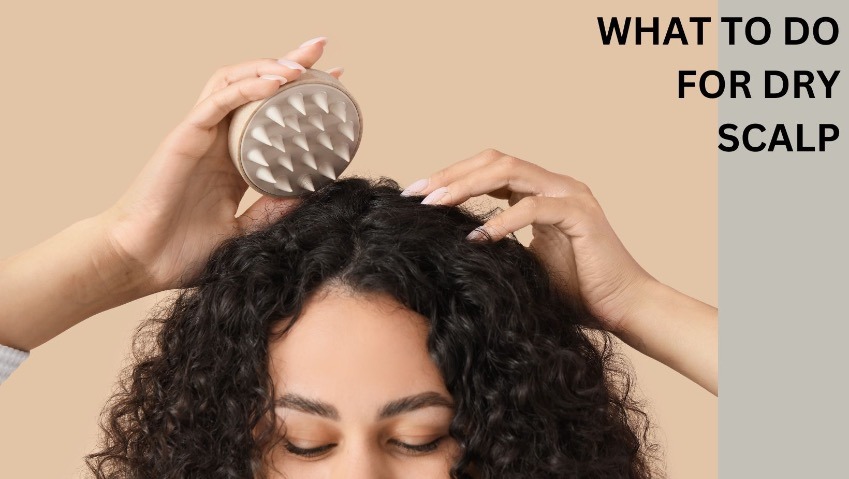
Dry scalp can be frustrating – itchy, flaky, and uncomfortable (especially in Colorado’s dry climate). If you’ve been Googling what to do for dry scalp, you’re in the right place. Below are easy remedies you can start at home, plus salon-pro tips to help soothe irritation, reduce flakes, and get your scalp back in balance.
What Causes Dry Scalp?
Dry scalp usually happens when the skin on your scalp is missing moisture, oil, or both. That can be triggered by a mix of environment, habits, and product choices.
Common causes include:
- Dry climate + indoor heat: Cold weather, low humidity, and forced-air heating pull moisture from skin (including your scalp).
- Over-washing + Not conditioning your scalp: Shampooing too often can strip your scalp’s natural oils and then you leave your scalp dry and too low of pH.
- Hot water: Steamy showers feel amazing, but hot water can dehydrate skin and disrupt the scalp barrier.
- Harsh cleansers: Strong surfactants (especially in clarifying shampoos used too frequently) can leave the scalp tight and reactive.
- Product buildup: Ironically, buildup can cause dryness and flakes—your scalp can’t “breathe,” and you may over-scrub to compensate.
- Skin sensitivity: Fragrance, essential oils, or certain preservatives can irritate sensitive scalps.
- Seasonal changes + stress: Many people notice flare-ups during seasonal transitions or stressful periods.
Important note: Not all flakes are dry scalp. Conditions like dandruff (often oil-related), seborrheic dermatitis, eczema, psoriasis, or even contact dermatitis can look similar. If your symptoms are persistent or severe, it’s worth getting a professional opinion.
Signs of a Dry Scalp
Dry scalp can show up in a few different ways – sometimes subtle, sometimes impossible to ignore.
Itching & Irritation
A dry scalp often feels itchy, prickly, or slightly burning, especially after washing or when the air is extra dry. Scratching can make the scalp more inflamed, which can lead to more irritation (and sometimes even small scabs).
Flaking vs. Dandruff
Flakes from dry scalp are often:
- Smaller and drier
- White
- More noticeable when you scratch or brush
Dandruff flakes are often:
- Larger
- Oily or yellow-ish
- Paired with redness or a greasy scalp feel
If you’re unsure which one you’re dealing with, a stylist can help you identify it quickly—because the best treatment depends on the cause.
Tight or Sensitive Skin
If your scalp feels tight after shampooing, or you notice sensitivity when you move your hair around, that’s a classic dryness signal. You may also feel tenderness in certain areas (like along your part or hairline).
3 Tips Beauty Salons Swear By for Scalp Dryness
If you want quick, realistic changes that make a big difference, start here.
Use Less Shampoo
When you’re figuring out what to do for dry scalp, this is often the fastest win.
Try these adjustments:
- Shampoo fewer days per week (if you can). Many clients do well with 2–3 washes weekly.
- Use a gentle, scalp-friendly shampoo instead of a strong clarifier.
- Shampoo your scalp, not your ends. Let the suds rinse through the lengths – your ends don’t need the same cleansing.
- Avoid super-hot water. Lukewarm is your scalp’s best friend.
If you’re worried about oil or buildup, you can alternate: gentle shampoo most washes, clarifier only as needed (and follow with scalp hydration).
Give Yourself a Massage
A good scalp massage helps loosen buildup, supports circulation, and can make scalp treatments work better—without aggressive scratching.
Use your fingertips (not nails) and apply light-to-medium pressure in small circles for 1–3 minutes. If you want a deeper dive into technique and benefits, check out our guide on scalp massage.
Pro tip: Massage is especially helpful when you’re using a scalp serum or soothing treatment—think of it as helping the product distribute evenly.
Try a Topical Solution
Topical scalp treatments can be a game-changer because they target the skin directly.
Look for:
- Leave-in scalp serums designed for dryness or sensitivity
- Soothing scalp tonics (especially after washing)
- Hydrating masks made for scalp use (not just hair)
If you’re using oils, go slow. Some scalps love a light oil; others get irritated or feel greasy and itchy. When in doubt, choose a formula made specifically for scalp skin.
Best Ingredients for Dry Scalp Relief
If you’re scanning labels and wondering what actually helps, these are some of our favorite ingredients for dry scalp support.
Aloe Vera
Aloe is a classic for a reason. It helps:
- Calm irritation
- Reduce that “tight” feeling
- Add lightweight hydration
Aloe-based scalp gels or serums can be great if your scalp is dry but you don’t want anything heavy.
Tea Tree Oil
Tea tree oil is often used for flaking and itch because it has antimicrobial properties and can help the scalp feel fresher.
A few cautions:
- Tea tree can be too strong for very sensitive skin.
- It’s best in properly formulated products (not straight essential oil applied directly).
If tea tree makes your scalp tingle or burn, stop and switch to a gentler soothing option.
Hyaluronic Acid for Scalp Hydration
Hyaluronic acid isn’t just for skincare—it can help the scalp hold onto moisture too. It’s especially helpful if your scalp feels tight and dehydrated but you don’t want to add oil.
Pairing scalp hydration with healthy hair care matters too—here’s our full guide on how to keep hair moisturized in dry climates like Denver.
Niacinamide & Soothing Extracts
Niacinamide supports the skin barrier, which is key for long-term dry scalp relief. You’ll also see calming extracts like:
- Oat
- Chamomile
- Calendula
- Centella asiatica
These can be especially helpful if your dryness comes with redness or sensitivity.
What to Avoid If You Have a Dry Scalp
Sometimes the biggest improvement comes from removing what’s irritating your scalp.
Try avoiding (or minimizing):
- Alcohol-heavy styling products that evaporate quickly and leave skin drier
- Heavy fragrance (especially if you’re prone to sensitivity)
- Overuse of dry shampoo (can create buildup and itch)
- Excessive heat styling directly at the roots
- Scratching with nails (it can create micro-injuries and inflammation)
- Too-frequent clarifying or “detox” products
If you suspect a specific product is causing irritation, simplify your routine for 1–2 weeks and reintroduce products one at a time.
How to Prevent Dry Scalp Long-Term
If you want lasting results, think in terms of a scalp care routine—not a one-time fix.
Here’s a simple weekly framework:
-
- Wash 2–3x per week with a gentle shampoo (adjust for your lifestyle and scalp type).
- NEVER go to bed with wet hair. This can cause bacteria to build up on the scalp.
- Use lukewarm water and rinse thoroughly.
- Add a scalp serum after washing (especially in winter or if you’re in a dry climate).
- Do a weekly scalp treatment (hydrating or soothing). If you’re prone to buildup, alternate hydration weeks with a gentle scalp exfoliant.
- Protect your scalp from sun (your part line can burn, and sun exposure can worsen dryness).
- Support hydration from the inside out: water intake matters, and extremely dry scalps can sometimes reflect overall skin dryness.
Consistency is what changes the scalp environment over time.
When to See a Hair Professional
If you’ve tried at-home remedies and your scalp is still itchy, flaky, or uncomfortable after a few weeks—or if you notice redness, soreness, or thick patches—it’s time to get a professional opinion. We can help you figure out whether you’re dealing with dry scalp, dandruff, sensitivity, or another scalp condition, and recommend a routine that actually fits your hair and lifestyle.
Ready for personalized help? Contact us to book a consultation at Elle B Savvy in the Denver/Lakewood area.